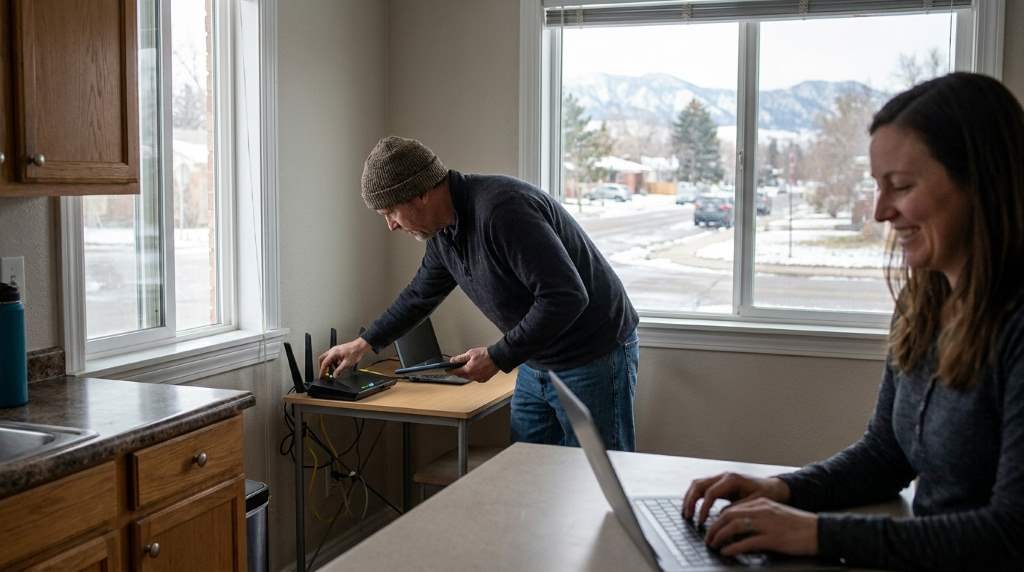
Internet security has become a daily concern for families across Denver, Colorado. Recent reports show that nearly 32% of home internet users experience unknown devices connected to their networks at least once each year. At the same time, rising smart home adoption has increased the number of vulnerable devices inside homes. Many residents now search for ways to remove unauthorized devices from wifi before bandwidth abuse affects their streaming, gaming, and remote work. As shared apartment living grows in Denver neighborhoods, households must protect their networks with smarter and more proactive methods.
Why Bandwidth Theft Is Growing in Denver
Denver continues to attract remote workers, students, and renters because of its growing tech scene and outdoor lifestyle. Consequently, apartment complexes and shared housing setups often create overlapping wireless signals. Many people still rely on weak passwords or outdated router settings. As a result, nearby users sometimes exploit unsecured connections without permission. This issue becomes even more common in densely populated districts near downtown and university areas.
Cold winters also push more people indoors, which increases internet traffic during large portions of the year. Streaming platforms, online gaming, and video conferencing consume significant bandwidth every day. Therefore, unauthorized users can quickly slow down entire household networks. Many Denver residents now upgrade their equipment after reading about future WiFi AX speed improvements that improve performance and network security together.
Common Signs of Bandwidth Theft
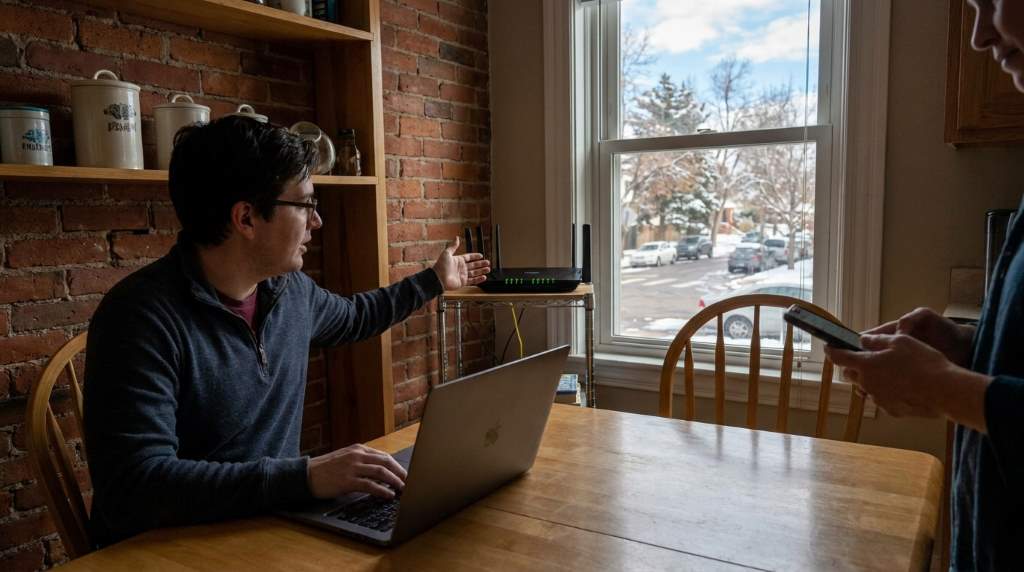
Most households notice bandwidth theft only after performance problems appear repeatedly. Internet speeds may suddenly drop during evenings or weekends without a clear explanation. In some cases, smart TVs buffer constantly while video calls freeze unexpectedly. Families may also notice unusual spikes in monthly data usage. These patterns often indicate that unauthorized devices access the network.
Router activity logs can reveal suspicious connections from unknown smartphones, tablets, or laptops. Additionally, blinking router lights during periods of inactivity may signal hidden network traffic. Denver residents living in townhouses or apartment buildings should monitor these indicators carefully. Shared walls and close proximity make wireless signal leakage more common. Early detection prevents larger security risks later.
Securing the Home Router Properly
The router serves as the first line of defense against bandwidth theft. Unfortunately, many households still use factory passwords that attackers can guess within minutes. Changing both the WiFi password and administrator login creates a stronger security foundation. Experts also recommend using WPA3 encryption whenever available. This newer protocol offers stronger protection than older WPA2 standards.
Strong passwords should include uppercase letters, numbers, and symbols without using personal details. Moreover, changing passwords every few months reduces long-term exposure risks. Denver households with larger homes often improve security coverage by installing mesh systems after reviewing recommended WiFi mesh systems designed for stable and secure whole-home connectivity.
Best Router Security Practices
- Disable remote router administration when unnecessary.
- Rename the default network SSID immediately.
- Enable automatic firmware updates.
- Turn off WPS connection features.
- Create separate guest networks for visitors.
Using Guest Networks to Reduce Risk
Guest networks provide one of the simplest methods for protecting household bandwidth. Instead of sharing the primary network password with visitors, families can create isolated access points. This setup limits guest devices from reaching private computers or smart home systems. Additionally, guest networks help contain malware infections. Many newer routers include this feature by default.
Denver homeowners often host friends during ski season or local events throughout the year. Consequently, temporary visitors frequently request WiFi access for multiple devices. A guest network prevents these devices from consuming unrestricted bandwidth. Families can also set speed limits or automatic disconnect timers. These controls maintain network performance for daily household activities.
Monitoring Connected Devices Regularly
Routine network monitoring helps identify suspicious activity before major disruptions occur. Most modern routers display all connected devices through mobile apps or browser dashboards. Homeowners should review these lists weekly for unfamiliar names or hardware addresses. Unknown devices should be removed immediately from the network. Consistent monitoring creates long-term awareness and better digital hygiene.
Several Denver internet providers also offer built-in monitoring tools within their customer portals. These tools send alerts when new devices join the network unexpectedly. Moreover, households can schedule automatic scans during low activity periods. Families with teenagers often use these systems to manage device usage responsibly. This approach combines security with bandwidth optimization.
How Smart Homes Increase Security Challenges
Smart home devices have transformed how households manage lighting, heating, entertainment, and security systems. However, each connected device creates another possible entry point for attackers. Smart cameras, thermostats, and speakers often receive fewer security updates than computers or smartphones. Therefore, hackers sometimes target these weaker devices first. Once inside the network, they can consume bandwidth or collect sensitive information.
Denver’s seasonal climate creates unique smart home usage patterns. During winter storms, residents rely heavily on connected thermostats and indoor monitoring systems. Meanwhile, summer months increase outdoor camera usage and wireless device activity. Families should separate smart home devices onto dedicated networks whenever possible. This extra layer reduces overall exposure significantly.
The Role of Firmware Updates
Many people overlook firmware updates because routers often work normally for long periods without visible issues. However, outdated firmware leaves networks vulnerable to newly discovered security flaws. Manufacturers regularly release patches that block known attack methods and improve encryption systems. Therefore, enabling automatic updates remains one of the easiest protection measures available. This habit strengthens network security without requiring technical expertise.
Denver households that use older networking hardware should check whether manufacturers still provide active support. Unsupported devices no longer receive security fixes and become easier targets for bandwidth theft. In some cases, replacing outdated routers costs less than dealing with repeated security breaches. Reliable equipment also improves streaming quality during peak internet hours.
Advanced Protection Methods Used by Tech-Savvy Households
Some Denver residents take additional steps beyond standard router settings. They install network monitoring software that tracks unusual traffic behavior in real time. Others configure MAC address filtering to allow only approved devices onto the network. Although these methods require more setup, they provide stronger protection layers. Tech-savvy households often combine several approaches together.
Another uncommon but effective strategy involves reducing wireless signal range intentionally. Certain routers allow users to adjust transmission power settings manually. This prevents signals from extending too far beyond the home perimeter. In crowded Denver apartment complexes, this small adjustment lowers the chance of unauthorized access dramatically. Few mainstream blogs discuss this highly practical tactic.
Advanced Security Options
- Enable DNS filtering for malicious website blocking.
- Use VPN protection directly through the router.
- Schedule automatic nightly network restarts.
- Segment devices using VLAN configurations.
- Limit network visibility settings for unknown devices.
How Seasonal Weather Impacts Network Security
Denver’s changing weather conditions influence internet usage patterns throughout the year. Heavy snowstorms often increase remote work and indoor entertainment simultaneously. As a result, household networks face higher daily traffic loads during winter months. Increased activity makes bandwidth theft more noticeable because performance problems become easier to detect. Families should perform extra security checks during peak indoor seasons.
Thunderstorms during spring and summer can also damage routers or reset certain configurations unexpectedly. After power outages, some devices may revert to default security settings automatically. Therefore, households should verify network passwords and encryption settings after severe weather events. Surge protectors and battery backups also help preserve router stability. Small preventative measures reduce long-term risks effectively.
Educating Family Members About Safe Network Habits
Strong network security depends on household awareness as much as technical protection. Children and teenagers may accidentally share passwords with friends or connect unsafe devices to the network. Consequently, families should establish clear digital usage rules at home. Teaching basic cybersecurity habits prevents many common problems before they start. Simple education creates lasting protection.
Parents can encourage better habits by explaining how bandwidth theft affects streaming speeds, gaming performance, and online privacy. Moreover, regular conversations about suspicious downloads or phishing attempts improve overall awareness. Shared responsibility helps households maintain safer internet environments consistently. Everyone connected to the network should understand basic security expectations.
Choosing Better Equipment for Shared Networks
Older routers struggle to handle growing numbers of connected devices efficiently. Therefore, Denver households increasingly invest in upgraded hardware that supports modern encryption and stronger traffic management. Dual-band and tri-band routers distribute traffic more effectively across multiple devices. Improved hardware also reduces dead zones in larger homes. Better coverage limits the temptation to rely on unsecured neighboring networks.
Some households improve reliability further with hybrid mesh systems designed for large properties or thick interior walls. Many residents now explore solutions like D-Link mesh connectivity systems that combine stronger coverage with better traffic stability for busy homes.
Conclusion
Bandwidth theft continues to affect households across Denver as wireless usage expands rapidly each year. Fortunately, practical steps like stronger passwords, guest networks, regular monitoring, and updated equipment can reduce most risks significantly. Families that combine smart habits with modern security tools create safer and faster home networks. Even small adjustments often produce noticeable improvements in performance and reliability. Start reviewing your network settings today and build a stronger defense before unauthorized users disrupt your connection.
FAQs
How can I tell if someone is stealing my WiFi bandwidth?
Slow internet speeds, unknown connected devices, and unusual data usage often indicate unauthorized access.
What is the safest WiFi encryption method for home networks?
WPA3 currently provides the strongest security protection for most modern home routers.
Should Denver households use guest WiFi networks?
Yes, guest networks isolate visitor devices and reduce direct access to private household systems.
How often should router passwords be changed?
Most security experts recommend changing router passwords every three to six months.
Can weather affect home network security?
Yes, storms and power outages can reset router settings or damage networking equipment unexpectedly.