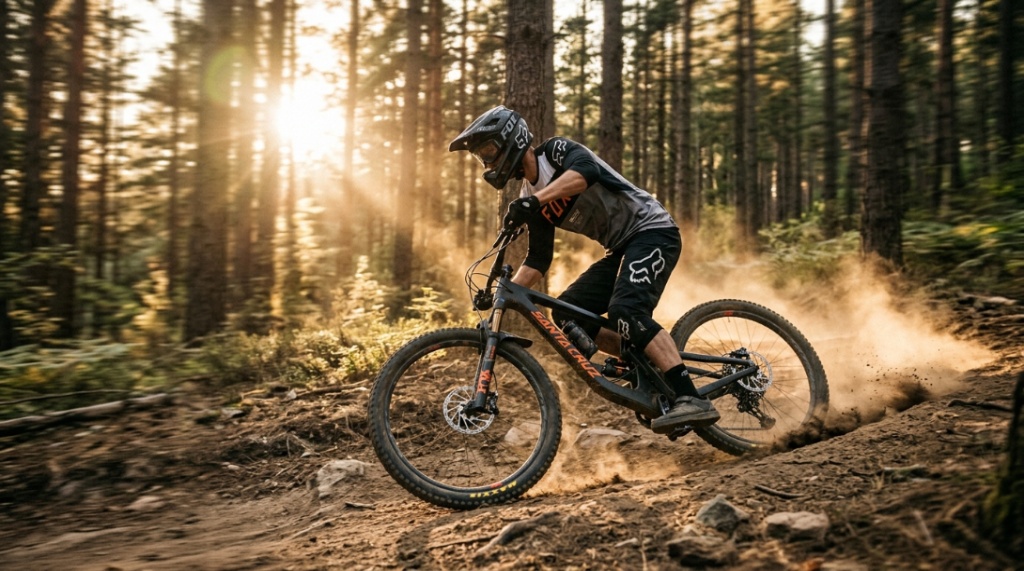
A riding buddy dropped $2,400 on a full-suspension mountain bike last spring for casual weekend trail riding — then watched me keep pace on every local trail with a bike that cost a quarter of that price. The expensive bike was overkill for his actual riding; the right bike for the right trails would have saved him $1,800 and still delivered the same experience. Choosing the right mountain bike for trail riding is not about buying the most expensive option or the lightest frame—it is about matching the bike’s capabilities to the specific trails you actually ride, your current skill level, and the riding frequency that justifies your investment. A properly chosen trail bike like the Schwinn Traxion mountain bike proves that capable trail mountain bike options exist at every price point when you understand what features genuinely matter versus what marketing tells you to want. This guide cuts through the spec sheet overwhelm and identifies exactly what trail riders need at each experience level.
What Type of Mountain Bike Is Best for Trail Riding?
A hardtail trail bike with 100–120mm front suspension, 27.5 or 29-inch wheels, and a moderate geometry (66–68° head tube angle) provides the best combination of climbing efficiency, descending capability, and maintenance simplicity for 80% of trail riders on 80% of available trails.
Mountain bike categories explained:
| Category | Suspension | Best For | Price Range | Trail Suitability |
|---|---|---|---|---|
| Hardtail trail | Front only (100–120mm) | General trail riding, climbing, fitness | $300–$2,000 | Excellent for 80% of trails |
| Full-suspension trail | Front + rear (120–140mm) | Technical terrain, longer descents | $1,500–$5,000+ | Excellent for all trails |
| Cross-country (XC) | Front only (80–100mm) | Racing, fitness, smooth trails | $500–$3,000+ | Good for smoother trails |
| Enduro | Front + rear (150–170mm) | Aggressive descending, bike parks | $2,500–$8,000+ | Overkill for general trails |
For most trail riders — people who ride local singletrack, fire roads, and moderate terrain 2–4 times per week — a hardtail trail bike delivers 90% of the capability at 40% of the cost of full-suspension options. The money saved on rear suspension goes toward better components (brakes, drivetrain, wheels) that actually affect daily riding experience more than rear travel on moderate terrain.
What Frame Size and Wheel Size Should You Choose?
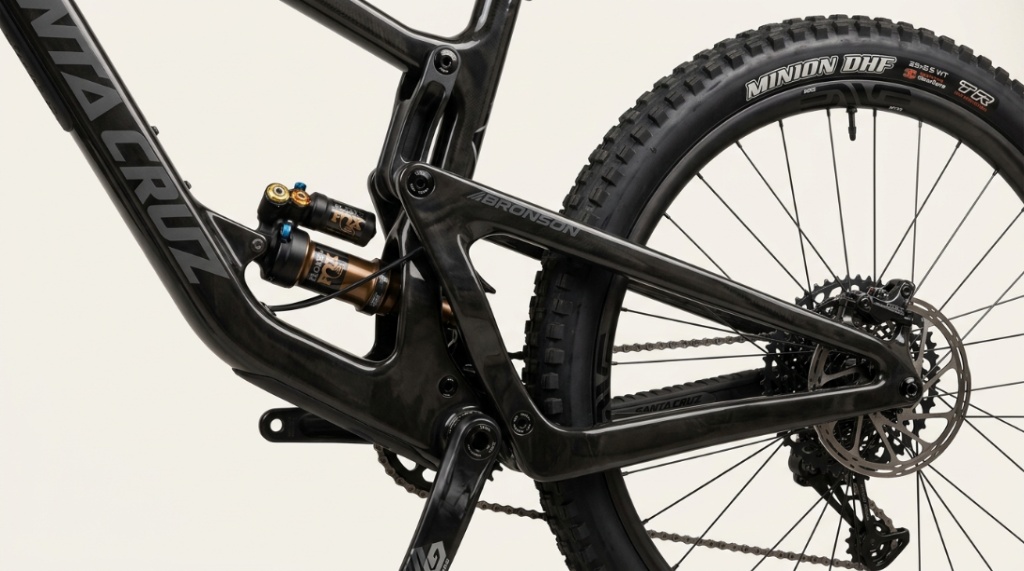
Choose frame size based on your height (not inseam alone), and select 29-inch wheels for riders over 5’6″ or 27.5-inch wheels for riders under “5’6″—the larger wheels roll over obstacles more easily while smaller wheels offer quicker handling for shorter riders.
Frame sizing guide:
- 5’0″–5’4″: Small frame (14–15.5″), 27.5″ wheels
- 5’4″–5’8″: Medium frame (16–17.5″), 27.5″ or 29″ wheels
- 5’8″–6’0″: Large frame (18–19.5″), 29″ wheels
- 6’0″–6’4″: XL frame (20–21.5″), 29″ wheels
Why 29-inch wheels dominate trail riding: the larger diameter rolls over rocks, roots, and rough terrain with less effort. The wheel maintains momentum better through technical sections. The contact patch is longer, providing more traction on climbs and corners. For trail riding specifically, 29ers provide measurable advantages that 27.5″ wheels only counter in very tight, twisty terrain where quick handling matters more than rollover capability.
What Components Actually Matter for Trail Riding Performance?
Brakes, suspension fork quality, and tire selection affect your trail riding experience more than any other components—a bike with hydraulic disc brakes, an air-spring fork, and proper trail tires outperforms a bike with a better frame material but inferior versions of these three critical components.
Component priority ranking for trail riders:
- #1 Brakes (hydraulic disc): The single most important safety and performance component. Hydraulic disc brakes provide consistent, powerful stopping in all conditions (wet, muddy, and dusty). Mechanical disc brakes work but require more hand force and frequent adjustment. Rim brakes are inadequate for trail riding.
- #2 Suspension fork (air spring preferred): An air spring fork adjusts to your weight and riding style. Coil-spring forks (common on budget bikes) work but cannot be fine-tuned. Look for a minimum of 100 mm of travel with lockout capability for climbing.
- #3 Tires (trail-specific): Factory tires on budget bikes are often semi-slick or road-oriented. Proper trail tires (2.2–2.4″ width with aggressive tread) transform grip, confidence, and capability. Budget $60–$80 for proper tires if the factory options are inadequate.
- #4 Drivetrain: 1x (single chainring) systems simplify shifting and reduce chain drops on rough terrain. 2x or 3x systems work but add complexity and weight. Shimano Deore or SRAM SX/NX level provides reliable trail performance.
- #5 Dropper seatpost: Allows lowering your saddle for descents without stopping. Increasingly standard on trail bikes above $800. Dramatically improves descending confidence and safety.
How Much Should You Spend on a Trail Mountain Bike?
The $500–$1,200 range delivers genuinely capable trail bikes with hydraulic brakes, adequate suspension, and reliable drivetrains—below $400 compromises safety-critical components, while above $2,000 provides diminishing returns for non-competitive trail riders.
Budget expectations:
- $300–$500 (Entry-level): Basic hardtail with mechanical disc brakes, coil-spring fork, and multi-speed drivetrain. Capable of light trails and fire roads. Brands like Schwinn Traxion offer solid value here — the Schwinn Traxion 29-inch mountain bike delivers a dual-suspension frame with 29er wheels at a price point that makes trail access genuinely affordable for new riders.
- $500–$800 (Capable entry): Better fork (possibly air-spring), hydraulic disc brakes, improved drivetrain. Handles moderate singletrack confidently. Sweet spot for new trail riders.
- $800–$1,200 (Solid trail): Quality air fork, reliable hydraulic brakes, 1x drivetrain, possibly a dropper post. Handles 90% of trail riding demands competently. Best value tier for regular riders.
- $1,200–$2,000 (Performance trail): Premium components throughout, lighter frame, better suspension damping. Noticeable improvement for riders who ride 3+ times weekly and push their limits.
- $2,000+ (Enthusiast/racing): Carbon frames, top-tier components, and lightest weight. Justified for competitive riders or those who ride 4+ days weekly on demanding terrain.
What Should Beginners Prioritize When Choosing Their First Trail Bike?
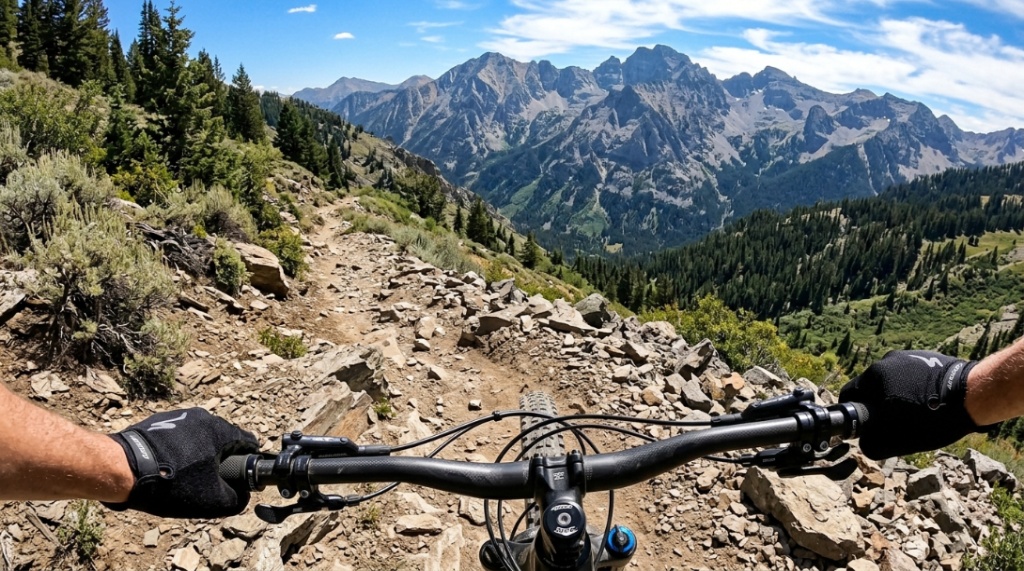
Beginners should prioritize proper fit (correct frame size), reliable braking (hydraulic disc minimum for safety), adequate suspension (100mm+ front fork), and a reputable brand with accessible service—then resist the urge to upgrade until their skills outgrow the bike’s capability.
First-bike decision framework:
- Fit over features: A perfectly sized $500 bike outperforms a wrong-sized $1,000 bike. Visit a shop for sizing or measure carefully before an online purchase. A wrong fit causes pain, reduces control, and discourages riding.
- Safety over savings: Never compromise on brakes. Hydraulic disc brakes provide the stopping power and modulation that keeps beginners safe on unfamiliar terrain. This is not optional.
- Durability over weight: Beginners crash more, drop bikes more, and ride through obstacles rather than around them. A heavier but more durable bike survives the learning phase better than a lightweight, fragile one.
- Simplicity over features: Fewer gears, simpler suspension, basic cockpit. Each additional feature adds potential maintenance, adjustment complexity, and decision points that distract from skill development.
- Service access: Choose a brand/model that your local bike shop can service. Proprietary parts, obscure brands, and discontinued models create maintenance nightmares when something breaks.
How Do You Test a Mountain Bike Before Committing?
Test ride on terrain similar to where you will actually ride — not just a parking lot. Evaluate: Does the bike fit comfortably in the riding position? Do the brakes inspire confidence? Does the suspension absorb bumps without bottoming? And does the bike feel stable at the speeds you will ride?
Test ride checklist:
- Standing over: Straddle the top tube with feet flat. Minimum 2–3 inches of clearance for trail bikes (you will dismount over rough terrain).
- Riding position: Slight bend in elbows when holding grips. Knees not hitting handlebars on turns. Back at comfortable angle (not too stretched or too upright).
- Braking test: Roll at moderate speed and brake firmly. Do the brakes stop you confidently without grabbing or pulsing? Can you modulate (apply partial braking) smoothly?
- Bump absorption: Ride over rough ground or curbs. Does the fork absorb without harsh bottoming out? Does the bike feel controlled rather than bouncy?
- Climbing: Ride up a moderate incline. Does the bike feel efficient? Does the front wheel lift excessively? Can you maintain traction on the rear?
- Cornering: Take several turns at moderate speed. Does the bike track predictably? Does it feel stable or twitchy?
If buying online without test riding, choose brands with generous return policies (30+ days) that allow trail testing before final commitment.
Conclusion
Choosing the right mountain bike for trail riding means matching bike capability to your actual trails, skill level, and riding frequency—not buying the most expensive or most feature-laden option available. A hardtail trail bike with hydraulic disc brakes, a 100–120 mm air fork, and 29-inch wheels handles 80% of trail riding demands at a fraction of full-suspension cost. The $500–$1,200 range delivers genuinely capable trail bikes that satisfy most riders for years.
Start with proper fit, prioritize brakes and suspension quality, and resist upgrading until your skills genuinely demand more than your current bike provides. The best mountain bike is the one that gets you on trails consistently—not the one that sits in your garage because you overspent and feel pressure to justify the investment. Choose a capability appropriate to your current riding, and let the trails tell you when it is time to upgrade.
What matters most in your trail bike—climbing efficiency, descending confidence, or all-around versatility? Share your priority below.
When you are out testing a new bike on rugged terrain, the last thing you want to deal with is a tangled headphone wire or earbuds that slip out the moment you hit a bump. Staying focused on the trail requires gear that moves with you. If you like soundtracking your rides with music or taking hands-free calls while taking a break at the trail summit, upgrading to a secure pair of true wireless earbuds like the TicPods Free ensures your audio stays crisp and wire-free without distracting from your line choice.
Frequently Asked Questions
Is a hardtail good enough for trail riding?
Yes — hardtails handle the vast majority of trail riding excellently. They climb more efficiently than full-suspension bikes, require less maintenance, cost less, and teach better riding technique. Only consider full-suspension if you regularly ride highly technical terrain with large drops, rock gardens, or sustained rough descents that beat your body on a hardtail.
What is the best wheel size for trail mountain biking?
29-inch wheels dominate trail riding for riders over 5’6″ due to superior rollover capability, better momentum maintenance, and increased traction. Riders under 5’6″ or those prioritizing quick, playful handling may prefer 27.5 inches. Mullet setups (29″ front, 27.5″ rear) offer a compromise but add complexity.
How often should I service my trail mountain bike?
Basic maintenance (chain lube, tire pressure, brake check) before every ride. Drivetrain cleaning every 3–5 rides. Suspension service every 50–100 hours of riding. Annual professional tune-up covering bearings, cables, and full inspection. More frequent service if riding in wet or dusty conditions.
Can I use a mountain bike for commuting too?
Yes, mountain bikes work for commuting but are less efficient than road or hybrid bikes on pavement due to knobby tires, suspension bob, and heavier weight. If commuting is a secondary use, swap to semi-slick tires for pavement days or lock out the suspension fork. Many riders use one mountain bike for both trails and errands successfully.
Should I buy online or from a local bike shop?
Local shops provide sizing, test rides, assembly, and ongoing service — worth the 10–20% price premium for beginners. Online buying saves money but requires self-assembly confidence and eliminates test riding. Compromise: buy online from brands with local dealer networks that provide warranty service and support.
How long should a trail mountain bike last?
A quality frame lasts 10–20+ years. Components wear and require replacement: chains every 1,500–3,000 miles, brake pads every 500–1,500 miles, tires every 1,000–3,000 miles, and suspension service annually. With proper maintenance and component replacement, a good trail bike provides a decade of reliable riding.
Do I need a full-suspension bike for rocky trails?
Not necessarily. Skilled riders handle rocky trails on hardtails through proper technique (line selection, weight distribution, and momentum management). Full-suspension reduces fatigue and increases comfort on extended rocky descents but is not required for safety. If rocky terrain is your primary riding, consider full suspension—but develop skills on a hardtail first.